Happy Whale with Fish Friends: Graphics & Illustrations
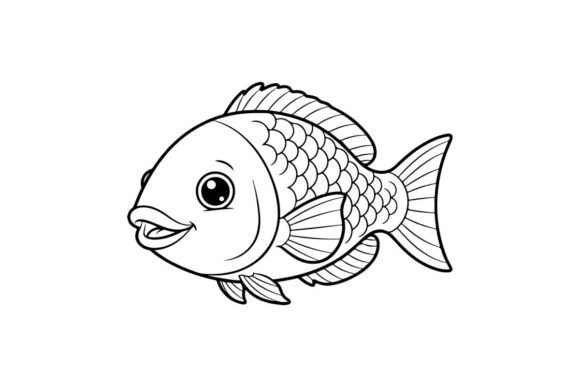
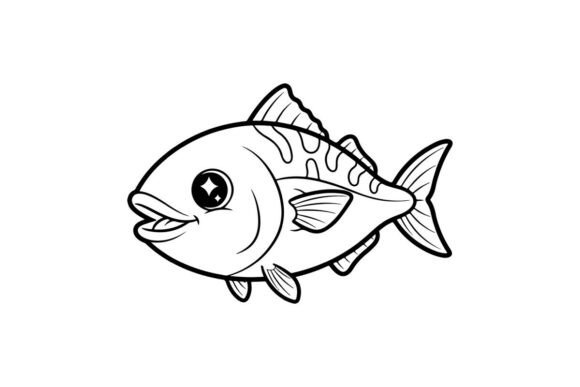
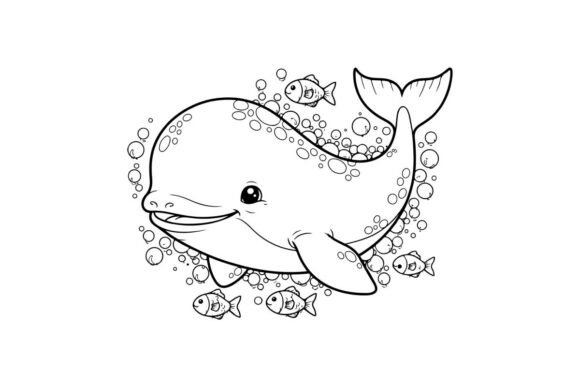
When I first opened the Happy Whale with Fish Friends Underwater file, the immediate impression was one of gentle, inviting warmth. The artwork carries a clean, bold line art style with a hand-drawn personality that feels intentional rather than rigid. A smiling whale sits at the center, surrounded by smaller fish companions, bubbles, and subtle underwater plant life. The composition is balanced without being overly symmetrical, which gives it a natural, organic flow. For a graphic design asset aimed at the printable and digital download market, this kind of visual clarity matters more than most sellers realize.
The mood leans playful and nurturing, with a soft storybook quality that would appeal to parents, early childhood educators, and anyone curating gentle, whimsical products. It is not overly cartoonish or loud. Instead, the line weight stays consistent, and the open spaces inside each shape invite coloring, customization, or layering. That makes this illustration surprisingly flexible across multiple product categories. I could see it working equally well as a nursery print, a kids' activity sheet, or a sublimation transfer on a toddler tee.
Who This Style Speaks To and Where It Fits
Understanding the buyer psychology behind a printable design like this matters more than the file format. The underwater theme taps into a broad, evergreen niche. Marine life, ocean animals, and friendly sea creatures consistently perform well on creative marketplace platforms like Etsy and Creative Fabrica. The happy whale motif, specifically, bridges the gap between educational content and decorative art. Parents searching for calming bedtime activities, teachers building lesson materials, and gift shoppers looking for personalized children's items all intersect here.
From a branding perspective, this artwork leans toward a handmade, approachable aesthetic. It does not try to look corporate or sleek. That is a strength. Small business owners who sell digital downloads often build trust through consistency, and an asset like Happy Whale with Fish Friends Underwater fits seamlessly into a shop that already carries coloring books, activity bundles, or nursery wall art. The visual personality is warm, a little nostalgic, and gender-neutral enough to avoid limiting the audience.
Testing the Asset Across Real Product Scenarios
Before listing any commercial design, I run it through a mental checklist of product formats. Here is how I evaluated this one.
As a PNG design with transparent background, the whale and fish friends separate cleanly from their surroundings. That transparency is essential for layering onto colored backgrounds, inserting into Canva templates, or placing over digital paper packs. I tested a quick mockup on a soft pastel blue background, and the contrast held up nicely. The bold line art prevented the design from washing out, which can happen with thinner, more delicate illustrations.
For SVG design use, the cut paths appeared straightforward. The shapes are simple enough that a Cricut project or Silhouette cut would not require excessive node editing. That is a practical concern for crafters who buy clipart and expect it to work right out of the folder. Intricate, highly detailed SVGs often frustrate beginners, but this one keeps the complexity manageable. A vinyl decal for a water bottle, a heat-transfer design for a tote bag, or a stencil for nursery wall painting all feel achievable.
As a sublimation design, the black line art translates well onto mugs, tumblers, and fabric blanks. The design does not rely on gradients or shading, so there is no risk of banding or color shifts during the pressing process. For print-on-demand sellers, that predictability lowers the chance of customer complaints about print quality. A t-shirt design featuring this whale on a soft cream or light teal shirt would read clearly from a distance, which is the first test any apparel graphic should pass.
Where the Artwork Delivers the Strongest Return
Some assets spread themselves too thin, trying to serve every product type and excelling at none. Happy Whale with Fish Friends Underwater performs best in contexts where the line art itself is the hero. Large-format printable wall art lets the details breathe. Coloring book pages, either sold individually or in design bundles, make full use of the open spaces within each shape. Planner stickers and journaling kits benefit from the playful, stress-free mood the artwork conveys.
Product presentation also benefits from this kind of artwork. A product mockup featuring the whale design on a framed print or a child's t-shirt immediately communicates the item's purpose. Thumbnail appeal on Etsy relies heavily on clarity at small sizes, and the bold outlines here help the image stay recognizable even when scaled down. I have learned not to underestimate how much a clean, readable thumbnail influences click-through rates.
The visual storytelling potential extends to social media graphics and blog graphics as well. A content creator building a post about ocean-themed activities, mindfulness coloring, or summer crafts could use this illustration as a supporting visual without it competing with text overlays. The monochrome line art style pairs easily with serif font headers for a classic look, sans serif font for a modern feel, script font for a softer handmade touch, or handwritten font for a playful, child-focused vibe. A display font with rounded edges would complement the whale's friendly curves particularly well.
Places to Apply Caution and Double-Check Quality
Not every product format suits this type of graphic design asset, and honest sellers acknowledge the limitations upfront. Small-scale applications like tiny sticker designs may lose the finer details of the fish friends and bubbles. If the sticker print area is under two inches, the line art could start to feel cramped. Crowded thumbnails with multiple competing elements would also dilute the visual impact. This artwork thrives when given space.
Dark backgrounds pose a specific challenge. The line art is almost certainly black or dark gray, which means it disappears on navy, charcoal, or deep brown surfaces unless inverted or recolored. Sellers planning to use this on dark apparel or dark packaging design should test a white or light-colored version first. Similarly, low-resolution print products, such as budget flyers or low-DPI merch, risk making the clean lines look jagged. I always verify that the source file resolution is at least 300 DPI at the intended print size before committing to a product listing.
For Cricut and cutting machine users, the spacing between elements matters. The fish placed close to the whale's body could create narrow cut zones that are tricky to weed. A quick test cut on scrap vinyl or cardstock reveals whether the design needs slight adjustments before selling it as part of a crafting bundle. I also recommend checking that the PNG transparency truly extends to all negative spaces, including the inside of the whale's eye and the bubbles. A stray white fill can ruin a customer's project and lead to refund requests.
Practical Seller Notes From a Product Testing Mindset
Over years of preparing digital products for online shops, I have developed a routine that catches most issues before a listing goes live. Here is how I would approach Happy Whale with Fish Friends Underwater specifically.
First, I generate mockups across at least five product types. A framed nursery print, a toddler t-shirt, a mug, a tote bag, and a coloring book cover. Viewing the design in these different contexts reveals whether it feels cohesive or whether certain applications look forced. I also preview it as a small Etsy thumbnail, around 200 by 200 pixels, to confirm the whale remains identifiable. If the thumbnail looks like a blurry blob, the listing will struggle regardless of how beautiful the full-size artwork is.
Second, I test print the design on my home printer at actual size. Screen colors and print colors diverge more than most new sellers expect. The black line art should print as true black, not a faded gray, and the paper should show no ink bleeding along the edges of the lines. For sublimation sellers, a test press on a blank mug or coaster confirms whether the lines transfer cleanly without ghosting.
Third, I inspect the file organization. Customers notice when a design asset folder is messy. Clear file names like "HappyWhale_FishFriends_ColoringPage.png" and "HappyWhale_FishFriends_SVG_CutFile.svg" reduce confusion and support requests. Including a simple text file with usage tips and a thank-you note adds perceived value without much effort. For commercial license clarity, I confirm whether the license permits use on physical merchandise, digital resale, or both, and I note any attribution requirements before building a product around it.
Pairing the Artwork With Fonts and Branding Elements
When this illustration becomes part of a larger brand identity or product line, font pairing plays a quiet but critical role. I tested several combinations during my evaluation. A serif font like a gentle, rounded slab serif gave the product a classic children's book feel, ideal for nursery prints and greeting cards. A clean sans serif font pushed the design toward a more modern, minimalist look that would suit a Canva template or a social media post. A flowing script font added warmth and a handmade quality, though I would keep it minimal to avoid competing with the whale's own personality. A playful handwritten font reinforced the child-friendly angle, and a bold display font worked well for product titles on Etsy product listing images.
The key is consistency. A small business selling ocean-themed printable designs could build an entire collection around this whale, adding coordinating sea creatures, mermaids, or coral reef elements. Visual hierarchy across the product line would benefit from keeping the line art style uniform, so customers recognize the brand at a glance. That kind of cohesion increases perceived value and encourages multi-item purchases.
Final Thoughts Before Publishing a Product With This Asset
After spending time testing Happy Whale with Fish Friends Underwater across formats, mockups, and potential use cases, I would classify it as a reliable, versatile illustration for sellers who focus on gentle, family-friendly niches. It is not a flashy, trend-chasing asset. Instead, it occupies a steady, evergreen space that continues to attract buyers season after season. The clean, bold line art gives it a foundation that works across printable products, merchandise graphics, and digital download collections.
For creative entrepreneurs building a shop around calming, handcrafted, or educational themes, this artwork slots in naturally. The underwater subject matter avoids seasonal limitations, though it could easily anchor a summer collection or a back-to-school activity bundle. The practical testing steps, from mockup previews to cut-file checks, give sellers a clear path to confident product listings. And the commercial-friendly structure of the design means it can grow alongside a handmade business without requiring constant redesigns or trend chasing.
In a marketplace crowded with overly complex or poorly balanced design assets, a clean, thoughtfully composed piece like this one stands out by simply being usable. That usability, more than any artistic flourish, is what turns a graphic design asset into a reliable product foundation.