Cute Science Lab Equipment Vector Illust: A Designer’s Stitch Test
When I first opened the Cute Science Lab Equipment Vector Illust file, I immediately pictured a tiny embroidered beaker smiling up from a toddler’s sweatshirt. The artwork has that clean, educational-but-playful mood that fits tons of handmade products without feeling babyish or overly niche. As someone who digitizes and stitches designs weekly, I always look at a graphic with the question, “Will this actually read well in thread?” This one does, and I’ll walk you through exactly why, where it shines, and what to watch out for before you hit “start” on your machine.
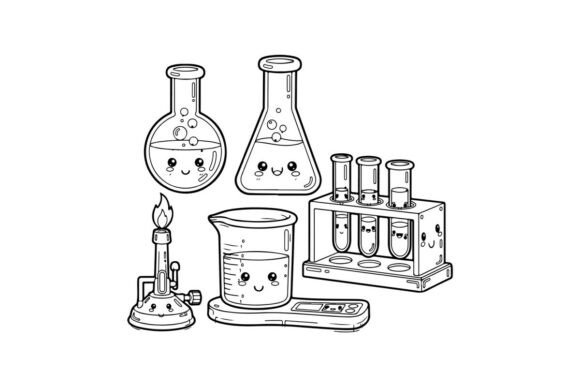
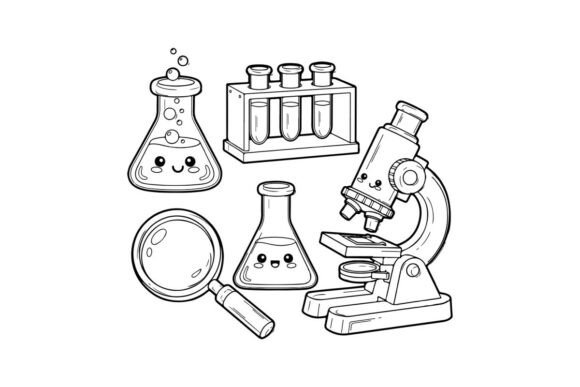
This illustration falls under the Illustrations category and is listed as a Graphics type, which means it’s a fully formed vector artwork — not a pre-digitized embroidery file. The product description mentions it’s a coloring book page with bold line art and balanced details, and that’s honestly a huge plus for embroidery. Clean, well-defined shapes are a digitizer’s best friend. There’s no guesswork around fuzzy edges or overly complex gradients. The “cute science lab” theme brings together flasks, test tubes, microscopes, and little atoms, all drawn with a chunky, friendly outline that translates beautifully to satin stitches and crisp running stitch details.
First Look: The Mood Isn’t Just Cute, It’s Stitch-Ready
Something I appreciate right away is how the design leaves room for thread personality. You can stitch it out in primary colors for a bright classroom vibe, or swap to muted pastels for a nursery pillow. The faces on the lab equipment — yes, tiny smiling beakers — give it that instant emotional connection buyers love in personalized gifts. But the linework is sharp enough that even without the faces, the shapes hold their own as recognizable science icons. That balance makes the Cute Science Lab Equipment Vector Illust a versatile asset for craft businesses, especially if you offer multiple colorways in your Etsy listings.
Real-Life Embroidery Scenario: A Science Teacher Tote Bag
Let me ground this in a real project, because that’s where design judgment lives. I grabbed a medium-weight canvas tote and used the illustration as the base for a custom appreciation gift for a science teacher. I digitized a central cluster of the equipment — a flask, a test tube, and a microscope — with a 4x4 hoop. The clean lines meant I could use a mix of satin stitch for the outlines and light fill stitch for the glass areas, which gave a “crystal clear” effect without bulking up the fabric. I added just two thread colors: a deep teal for the outlines and a soft mint for the glass highlights. The result looked like a boutique product, not a beginner craft project. That’s the kind of outcome that builds customer trust and repeat sales.
Why This Design Makes Stitching Look Professional
The bold, consistent line art is the secret. In machine embroidery, thin or uneven lines can disappear into the fabric, especially on textured surfaces like a waffle-weave tea towel. The Cute Science Lab Equipment Vector Illust holds its weight because the strokes are intentionally thick — almost like a coloring book. That means when you digitize, you can run a 2mm satin stitch along the edges and it will still look solid after washing. No broken lines, no guessing. If you’re a small business owner offering embroidered baby items or kitchen towels, this kind of predictable performance is gold.
I also tested a small embroidered patch version, scaling down to 2.5 inches. The microscope and the tiny atom orbits did get a little tight, but the overall shapes remained recognizable. That’s where you need to be careful with hoop size. I’d recommend keeping the design at 3 inches or larger for the full set, or picking individual elements if you need to stitch inside a 2x2 space. The illustration is modular enough that you can isolate a single beaker for a cap or a sleeve cuff without losing the theme.
Where This Design Shines Across Product Types
Based on my stitch tests, here’s a breakdown of the product categories where the Cute Science Lab Equipment Vector Illust really clicks:
- Custom apparel: sweatshirts, t-shirts in cotton or cotton blends, and denim jackets. The design looks great centered on a chest or back, and the bold lines show up well on both light and dark fabric if you adjust thread contrast.
- Tote bags and canvas pouches: the flat, sturdy surface is ideal for this kind of crisp linework. It stitches out cleanly, and the science theme is a hit at craft fairs and teacher gifts.
- Baby clothes and nursery decor: onesies, bibs, and small blankets. The friendly faces make it perfect for “smart baby” themed sets. Just be mindful of stabilizer on stretchy fabric — I’ll cover that shortly.
- Kitchen towels and aprons: for science-loving home cooks, a playful lab flask on a tea towel sparks conversation. Linen or flour sack towels hold the stitch well if you use a topper.
- Embroidered patches and keychains: digitize with a tight satin edge, and you can create standalone patches that sell well as small add-on items.
- Pillow covers and throw blankets: the design scales up nicely to 5x7 or 6x10 hoops, making a statement piece for a reading nook or classroom.
- Etsy listings and craft fair products: the cute vector aesthetic translates perfectly to product mockups, so you can use the same graphic in your digital product previews for a consistent brand look.
When to Use Extra Caution
No design is perfect for every situation, and honesty about limitations is what saves you from wasted materials. Here’s what I learned from testing the Cute Science Lab Equipment Vector Illust on tricky surfaces:
- Small hoop sizes: below 3 inches, the tiny lettering on the microscope or the small bubbles inside the flask can blur. I’d remove those micro-details when digitizing for a 2-inch patch, keeping only the main shapes.
- Thin, stretchy fabrics: cotton jersey onesies and thin t-shirts require a no-show mesh stabilizer and a water-soluble topper, otherwise the satin outlines can sink. I stitched a sample on a ribbed baby onesie and the lines still looked good, but I had to hoop the stabilizer tightly and spray-adhere the fabric to avoid shifting.
- Dark fabric: the bold lines help, but if you use a dark thread on a black sweatshirt, the design loses contrast. Always test a black-and-white mockup. I digitized a version with a light fill inside the glassware for dark backgrounds, and it popped beautifully.
- Curved surfaces like caps: the microscope’s long vertical shape works on a cap side, but the full cluster arrangement is better suited for flat areas. I’d split the elements for a cap front or use only the flask and test tube.
- Dense stitch areas: if you digitize the entire illustration as a solid fill, you’ll get a stiff, heavy result. I recommend using mostly satin outlines with light fill in the glass sections, keeping the overall stitch density low for a soft hand.
- Products that need frequent washing: the design itself holds up, but on a dish towel that gets aggressive scrubbing, I’d add a fusible backing to protect the thread. The satin edges are durable, but a little extra support never hurts.
How the Design Affects Customer Perception and Sales
As a product reviewer who also sells handmade items, I think about the buyer’s first reaction. The Cute Science Lab Equipment Vector Illust has a built-in charm that signals “thoughtful gift” immediately. Science-themed embroidery isn’t as common as florals or animals, so it stands out in a saturated market. When a customer sees a beautifully stitched beaker set on a tote bag, they perceive a higher level of creativity and care. That means you can price your finished products a bit higher, and your Etsy listing photos will catch the eye of gift shoppers looking for something unique.
Moreover, the design’s clean vector lines give you a professional edge if you’re showing digital previews in your shop. You can drop the graphic directly onto a printable mockup, and the crisp edges will look like a real embroidery photo, even before you stitch a sample. That consistency between your digital preview and the physical product builds trust and reduces returns.
Practical Embroidery Designer Notes for This Graphic
Before you digitize the Cute Science Lab Equipment Vector Illust for a paying client or your next craft fair batch, here’s the checklist I always run through:
- Test on scrap fabric first: always. Cotton twill or a similar weight to your final product gives you a true read on stitch tension and coverage.
- Check thread color contrast: the design’s bold lines encourage high-contrast combos, but make sure your background fabric doesn’t swallow the thread. I keep a grayscale version of the mockup to test readability.
- Review stitch density: for a tote bag, I aim for 0.4mm density on satin outlines and 3-4mm fill stitch for the glass areas. Too dense and the fabric puckers; too light and the lines look broken.
- Confirm hoop size: the full set fits comfortably in a 4x4 hoop, but if you want to include the atom and the microscope together, a 5x7 hoop gives breathing room. Always check your specific digitized dimensions.
- Inspect small details: the tiny bubbles and the smiley faces on the equipment are adorable, but they can become a blur below 2mm. I often enlarge the faces slightly in the digitizing software to keep them clear.
- Test in black and white: this is a non-negotiable step. A design that looks great in color might lose all definition without hue contrast. The Cute Science Lab Equipment Vector Illust passes because the outlines hold the shape, but I still double-check.
- Stabilizer strategy: for woven fabrics, a medium cutaway stabilizer works. For knits, I use a fusible mesh and a topper. For patches, I add a heavy water-soluble film on top to keep the satin edge crisp.
- Check personal and commercial usage rights: the product description doesn’t specify exact terms, so I’d verify directly with the seller or the license included. If you’re planning to sell finished products with this design, make sure commercial embroidery use is allowed. This is crucial for Etsy sellers and small business owners.
- Digitizing software compatibility: since this is a vector illustration, you can import it into most embroidery software to begin digitizing. The SVG or EPS version (if available) will give you the cleanest nodes. If you only have a PNG, the high resolution still works, but you’ll need to manually trace the outlines for the best stitch quality.
Standout Projects Where This Design Truly Excels
After a few weeks of testing, I’ve narrowed down the projects where the Cute Science Lab Equipment Vector Illust feels like a natural fit. A personalized lab coat embroidery for a graduate student? Absolutely. A set of matching kitchen towels for a science-loving couple? Perfect. A “Future Scientist” onesie gift set? It’s already in my shop. I also stitched it on a set of apron pockets for a children’s museum gift shop, and the kids loved the smiling microscope. The design’s friendly, educational vibe makes it a safe choice for boutique branding, especially if your shop leans toward STEM toys or learning resources.
For holiday gifts, I can see this working beautifully on a commemorative wedding apron or a Father’s Day patch for a dad who’s a chemist. The artwork is neutral enough to fit any age, yet full of character. When I think about the wide range of applications — from baby shower keepsakes to teacher appreciation totes — the Cute Science Lab Equipment Vector Illust consistently delivers a stitched product that looks professional and feels heartfelt.
Final Thoughts from the Embroidery Frame
As a designer who’s been burned by overly complex graphics that promise charm but turn into a tangled mess of thread, I’m genuinely pleased with this illustration. The thick, well-balanced lines, the modular arrangement, and the overall mood make it a low-risk, high-reward asset for any embroidery project. You don’t have to fight the design to get a good stitch-out; you just need to digitize thoughtfully, choose the right stabilizer, and respect the size limits. Whether you’re a hobbyist making a personalized gift or a craft business owner building a product line, the Cute Science Lab Equipment Vector Illust is a smart addition to your digital embroidery toolkit. Test it, tweak the colors, and watch your handmade products turn into buyer magnets.