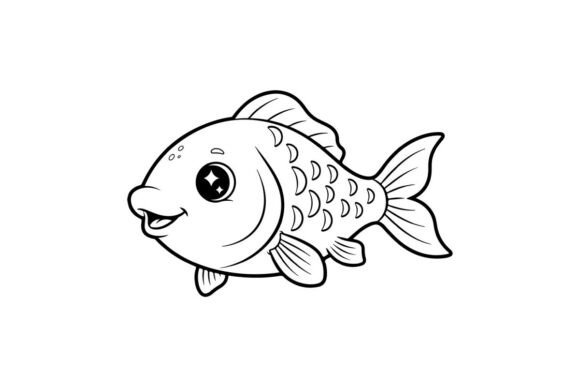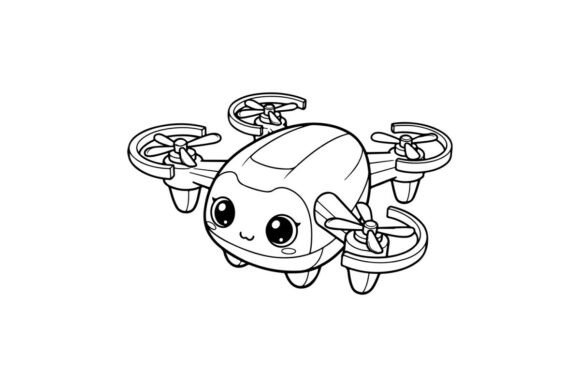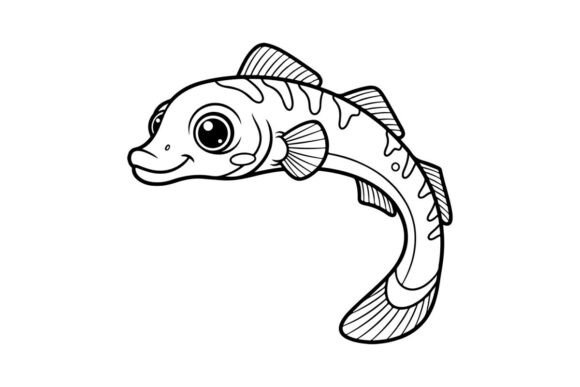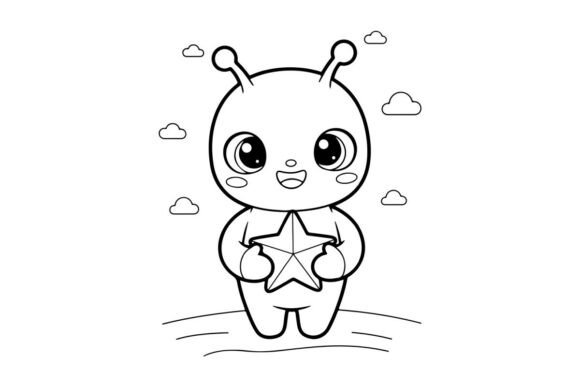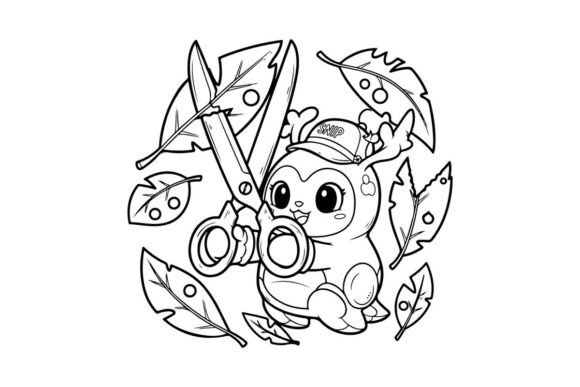
Cute Robot Cutting Fish Vector Illustration
A Designer’s First Glance: Playful, Precise, and Surprisingly Versatile
When Cute Robot Cutting Fish Vector Illustration landed in my inbox, I paused mid-coffee sip—not because it’s flashy, but because it’s disarmingly intentional. This isn’t just another quirky clipart file. It’s a compact narrative: a friendly robot, slightly tilted head, holding a fish with gentle precision—no aggression, no chaos, just calm curiosity. The line art is clean and confident, with balanced negative space and subtle contour variations that hint at dimension without overcomplicating things. As an embroidery designer who’s stitched everything from nursery onesies to boutique aprons, I immediately saw its potential—not as a standalone graphic, but as a *stitchable story*.
Real-World Test: Turning It Into a Handmade Tote Bag for a Local Bakery
Last week, I used Cute Robot Cutting Fish Vector Illustration to create a limited-run embroidered tote for “Flour & Fin,” a small-batch bakery launching a sustainable seafood-themed pop-up. We chose natural canvas totes—medium-weight, tightly woven, with slight texture. I converted the vector into a machine embroidery design using standard satin and fill stitch zones, keeping outlines bold enough to read at 4.5" wide. The result? A cheerful, slightly whimsical focal point that felt handmade—not digital, not generic. Customers didn’t just notice it; they smiled, asked about the robot, and snapped photos. That kind of organic engagement is gold for a craft business or Etsy seller building brand warmth.
Where It Shines—and Where to Pause
Cute Robot Cutting Fish Vector Illustration thrives on structured, stable surfaces: sweatshirt embroidery (especially on crewnecks), embroidered patches (ideal for denim jackets or kids’ backpacks), pillow covers with linen-cotton blends, and kitchen towels where clarity matters. Its moderate detail level—clear limbs, defined fish scales, expressive robot eyes—translates well across fabric textures without collapsing into mush. On baby embroidery? Yes—especially on cotton interlock onesies, where softness and legibility are non-negotiable.
But here’s where attention matters: avoid cramming it into hoops smaller than 4". Tiny corners (like the robot’s gripper fingers or fish tail tips) can lose definition on stretchy fabrics like jersey or thin knits unless stabilized heavily. Dark fabric demands thoughtful thread colors—go for high-contrast matte polyester or rayon to keep those clean lines visible. And while it reads beautifully on flat panels, skip curved surfaces like cap fronts unless you’re willing to digitize a custom version with adjusted stitch angles. This isn’t a fault—it’s just how vector-to-embroidery translation works.
What It Adds to Your Finished Product
- Visual appeal: It balances charm and clarity—rare for novelty themes. No visual noise, no confusing hierarchy.
- Stitching clarity: Bold outlines and open shapes mean fewer thread breaks and cleaner satin edges, even on mid-tier home machines.
- Product value: Feels curated, not clipart-y—elevates a basic tote or tea towel into a personalized gift or boutique product.
- Customer trust: When buyers see consistent, well-executed stitching on something this distinctive, they associate your shop with care—not just speed.
- Brand consistency: Works equally well for playful craft fair booths or minimalist Etsy listings—its tone adapts without diluting.
Practical Embroidery Designer Notes You’ll Actually Use
Before stitching Cute Robot Cutting Fish Vector Illustration into your next project, run these checks—not as busywork, but as value protection:
- Test on scrap fabric matching your final substrate—especially if using textured weaves or blends.
- Review stitch density: too dense = puckering on lightweight cotton; too sparse = gaps on dark backgrounds.
- Confirm hoop size compatibility—this design breathes best between 4" and 6", so verify your machine’s max hoop before digitizing.
- Inspect small details in black-and-white mockups: does the fish eye hold up? Do robot joints read clearly without color?
- Compare light vs. dark fabric previews—thread contrast shifts perception more than you’d expect.
- Use cutaway stabilizer for knits, tear-away for wovens—don’t skip this step, even for quick samples.
- Double-check licensing: since it’s categorized under Illustrations and Graphics, confirm whether commercial embroidery rights are included before selling finished items or bundling as part of a digital embroidery file pack.
Final Thought: Not Just a Graphic—A Conversation Starter
I’ve reviewed hundreds of embroidery files, and what separates Cute Robot Cutting Fish Vector Illustration is how effortlessly it bridges function and feeling. It doesn’t shout. It invites. Whether you’re an apparel decorator adding charm to a unisex sweatshirt line, a holiday embroidery specialist designing cozy kitchen towels, or a small shop owner curating giftable handmade products, this design carries weight without heaviness. It’s got personality, yes—but more importantly, it’s *reliable*. Reliable in stitch, reliable in appeal, reliable in turning a simple embroidered patch or tote bag design into something people pause for, remember, and reach for again. That’s not just good design. That’s good business.