Cute Baby Bird Hatching with Dandelion V
A Quiet Moment, Perfectly Stitched
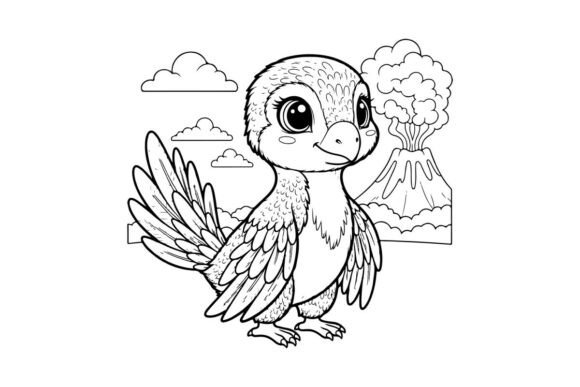
First glance at Cute Baby Bird Hatching with Dandelion V lands softly—no visual shouting, no frantic detail. It’s a gentle composition: a small bird mid-emergence from its shell, nestled beside a single dandelion with delicate puff and subtle stem. The line work is confident but not rigid; it breathes like hand-drawn ink, not vector-perfect geometry. That matters. In embroidery, especially for baby items or boutique apparel, mood carries weight. This design doesn’t scream “cute”—it whispers it. And that whisper translates beautifully into stitch.
Where It Lives Best: Real Projects, Not Just Pixels
I recently prepped Cute Baby Bird Hatching with Dandelion V for a custom-embroidered organic cotton muslin baby blanket—intended as a birth announcement gift. Right away, the scale and spacing made sense: the bird fits cleanly within a 4” hoop, the dandelion’s airy shape avoids dense fill areas, and the open negative space around both elements gives breathing room for fabric texture to show through. No overcrowding. No awkward cropping. That’s rare in digital embroidery files pulled from coloring book art—and it’s why this works so well as a machine embroidery design rather than just a pretty Illustrations download.
It’s also landed smoothly on unstructured linen tote bags (using lightweight cutaway stabilizer), soft-loop sweatshirts (with tear-away + topping), and even curved-knit caps—though I reduced the dandelion puff slightly for that last one. The simplicity of the outline holds up across surfaces where distortion is common. As an embroidered patch, it reads clearly at 3.5”, and as a tote bag design or pillow cover motif, it adds quiet charm without competing with patterned fabric underneath.
Where to Pause and Plan
This isn’t a one-size-fits-all file. Its strengths lie in restraint—but that means it needs thoughtful placement. On dark fabric? Test thread contrast early. A pale yellow satin stitch for the chick’s down reads warmly on navy, but vanishes on charcoal unless you add a light underlay or switch to ecru. On thin or stretchy fabric—like ribbed baby onesies—use a medium-weight cutaway stabilizer *and* baste the design in place before hooping. The fine lines around the shell’s crack and dandelion seeds can blur or skip if tension or stabilization isn’t dialed in.
Also: avoid cramming it into tiny hoops (<3”). The dandelion’s seed head loses definition below 2.75”, and the chick’s eye detail—a single soft curve—blends into fill stitch if scaled too small. For custom apparel like toddler tees or tea towels, stick to 3.25”–4.5”. And while the design avoids heavy stitch density, don’t assume it’s low-stitch-count magic—it still needs proper underlay on knits to prevent puckering.
What Customers Actually Notice
When I added Cute Baby Bird Hatching with Dandelion V to a small shop’s nursery collection, buyers didn’t comment on “perfect digitization.” They said, “It feels handmade,” “The bird looks alive,” and “I could picture this on my daughter’s first blanket.” That’s the real win. Its visual personality supports authenticity—not mass production. It elevates a plain handmade product into something tender and intentional. For Etsy sellers or small shop owners, that builds trust faster than any listing description.
It also scales well across branding. Used consistently on baby onesies, matching burp cloths, and gift tags, it creates cohesion without repetition fatigue. Unlike busier motifs, it doesn’t overwhelm packaging or printable mockups. In fact, I’ve used the line art version (from the original Graphics file) for labels and thank-you cards—keeping the whole product ecosystem visually aligned.
Practical Designer Notes You’ll Actually Use
- Always test on scrap fabric first—especially if using textured linen or brushed cotton. The dandelion’s wispy lines respond differently to nap direction.
- Check thread color contrast on both light and dark backgrounds before stitching your first client piece. Soft pastels shine on ivory; warm neutrals pop on oatmeal.
- Review stitch order: Does the shell outline stitch before the chick? That affects clarity. If not, adjust in your embroidery software.
- Use proper stabilizer: Lightweight cutaway for stable wovens; cutaway + topping for knits; tear-away for stable linens.
- Confirm licensing before selling finished items or bundling the digital embroidery file in craft kits. Since it’s categorized as Illustrations, verify commercial use rights directly with the source.
- Try black-and-white mockups before finalizing. This design relies on shape and rhythm—not color—so grayscale previews reveal clarity issues fast.
Not Just for Spring—But Especially Lovely Then
Cute Baby Bird Hatching with Dandelion V leans naturally into baby showers, Easter gifting, and new-parent welcome bundles—but it’s quietly versatile. Swap the dandelion puff for a snowflake base (digitally or via thread choice), and it becomes a winter-themed holiday embroidery option. Use metallic gold thread on the shell edge for a subtle celebration touch. Layer it beside monogrammed initials on a kitchen towel for a personalized giftable set. Its adaptability makes it a smart addition to any craft business’s core design assets.
For creative entrepreneurs building recognizable style, this isn’t filler. It’s a signature pause—a moment of calm stitched into everyday objects. It reminds customers (and us) that detail doesn’t always mean density. Sometimes, it means knowing exactly where to leave space.